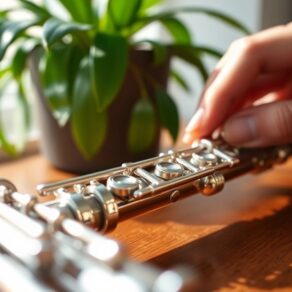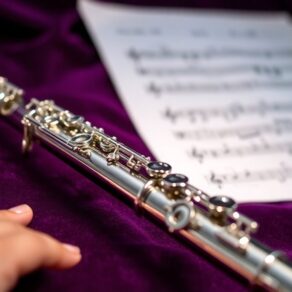
A day in your life as a professional flutist begins with early morning warm-ups, focusing on breath control and mindfulness. You practice effective techniques like rhythm exercises and ear training, enhancing your musicality. Teaching inspires you, as you foster student engagement and experimentation. Concerts demand meticulous preparations, from repertoire selection to sound checks. Collaborating with other musicians enriches your artistry, while balancing performance pressures maintains your well-being. Each experience further deepens your journey in the world of music.
Key Takeaways
- Start the day with warm-ups focusing on breath control, mindfulness, and visualization to prepare mentally and physically for practice and performance.
- Engage in effective practice techniques, including rhythm exercises, ear training, and improvisation, to enhance musicality and technical skills.
- Teach students to inspire passion for music, fostering a supportive environment that encourages experimentation and builds confidence in their abilities.
- Prepare for concerts by selecting repertoire that showcases strengths, ensuring optimal sound settings, and managing performance anxiety through simulated rehearsals.
- Collaborate with other musicians and explore diverse genres, enriching both technical abilities and emotional connections to music while balancing personal well-being.
The Early Morning Routine of a Flutist
As the sun begins to rise, you might find a professional flutist immersed in a ritual that sets the tone for the day.
Morning warm-ups become essential, guiding you through gentle scales and arpeggios, allowing your fingers to dance fluidly over the keys. Each note resonates with intention, awakening your body and mind.
Incorporating mindfulness practices, you focus on your breath, embracing the moment. You visualize each sound, cultivating a deeper connection with the instrument.
This blend of physical and mental preparation fosters clarity, sharpening your awareness for the hours ahead.
With each note, you cultivate a sense of belonging, not just to music but to a community of fellow artists who share this profound journey.
As you conclude your warm-ups, you feel invigorated, ready to embrace the challenges and joys that await in your day.
Effective Practice Techniques for Flutists
While you may have a solid foundation in your morning routine, effective practice techniques can elevate your fluting skills to new heights.
To truly develop your artistry, focus on the following:
- Warm-Up Routines: Begin with scales and tone production exercises to enhance breath control and finger technique. Incorporate dynamic contrast to build expressive capabilities.
- Rhythm Practice: Use metronomes or backing tracks to sharpen your timing. This will help you overcome performance anxiety and solidify your rhythmic foundation, making improvisation skills more accessible.
- Ear Training: Spend time listening and playing by ear. This not only improves your musicality but also deepens your connection to the music, allowing for a richer interpretation.
Inspiring the Next Generation: Teaching Flute
Teaching flute can be one of the most rewarding experiences for a professional flutist. You get to ignite a passion for music in your students, guiding them through the intricacies of technique and expression.
By fostering student engagement, you create an environment where learning flourishes. Each lesson becomes a creative lesson, tailored to inspire curiosity and exploration.
Encouraging students to experiment with different sounds and styles not only enhances their skills but also builds their confidence. You’ll find joy in witnessing their growth, as they evolve from hesitant beginners to expressive musicians.
Incorporating diverse repertoire helps maintain their interest and showcases the flute’s versatility.
As you share your knowledge, you cultivate a sense of belonging within your studio. The connections you build with your students will echo in their musical journeys, creating a legacy that transcends generations.
Your passion for the flute not only shapes their skills but also enriches their lives.
Concert Prep: Behind the Scenes
Preparing for a concert is a meticulous process where every detail matters, from selecting the repertoire to fine-tuning your performance.
You’ll need to navigate concert logistics to ensure everything runs smoothly. Here’s a quick checklist to keep you on track:
- Repertoire Selection: Choose pieces that showcase your strengths and resonate with the audience.
- Performance Wardrobe: Select a wardrobe that not only looks professional but also allows for ease of movement while playing.
- Sound Check: Arrive early to adjust your flute and test the acoustics, ensuring you’re ready to shine.
As you immerse yourself in these preparations, remember that each element contributes to the overall experience, both for you and your audience.
Embrace the excitement and the responsibility; it’s all part of what makes performing so rewarding. Your attention to detail will elevate your artistry and create a memorable concert experience.
How Flutists Collaborate With Other Musicians?
Collaboration with other musicians is essential for flutists, as it fosters a rich tapestry of sound and creativity. When you join forces with string players, pianists, or percussionists, you experience the beauty of ensemble dynamics firsthand. Each musician brings their unique voice, allowing for a depth of expression that transcends individual performance.
In rehearsals, you’ll find that musical synergy emerges as you listen and respond to one another. This dialogue not only enhances your technical skills but also deepens your emotional connection to the music. You learn to adapt your phrasing and dynamics, creating a cohesive sound that resonates with the audience.
Moreover, collaborating fosters a sense of belonging within the musical community. It’s in these shared moments that you discover the joy of making music together, forging friendships that last beyond the stage.
Embrace these experiences to grow as an artist and connect with others.
What It’s Like to Record Your Flute
Have you ever wondered what it feels like to capture the essence of your flute in a recording studio? The experience is exhilarating and, at times, nerve-wracking. You’ll want to ensure that every note resonates with the highest sound quality.
Here are three key recording techniques to consider:
- Microphone Placement: Experimenting with different distances and angles can drastically affect the tonal richness.
- Room Acoustics: Choose a space that enhances your flute’s natural sound; a well-treated room can elevate your recordings.
- Layering Tracks: Don’t hesitate to record multiple takes and layer them for a fuller sound, allowing your unique voice to shine.
Recording your flute isn’t just about technical precision; it’s about conveying emotion and storytelling.
Embrace the process and let your passion flow to create a masterpiece that resonates with your audience.
Balancing Performance With Personal Life
After capturing your flute’s voice in the studio, the next challenge is finding harmony between your performances and personal life. As a professional flutist, you constantly juggle performance pressures—ensuring every note resonates while also maintaining your well-being.
Late-night rehearsals and travel can take a toll on your relationships and personal time. You often find yourself making personal sacrifices, such as missing family gatherings or social events, to meet the demands of your craft.
To create balance, prioritize your commitments. Carve out time to reconnect with loved ones, and practice mindfulness to recharge your spirit.
Set boundaries around your schedule, allowing moments for self-care and reflection. Remember, your artistry thrives when you nurture your personal life.
Embrace the joy of creating music without losing sight of the connections that ground you. By finding this equilibrium, you’ll not only enhance your performances but also cultivate a fulfilling life beyond the stage.
Exploring Flute Genres: Classical, Jazz, and Beyond
As you delve into the world of flute music, you’ll discover a rich tapestry of genres that showcase the instrument’s versatility, from the intricate melodies of classical compositions to the improvisational flair of jazz.
Each genre offers unique opportunities for expression, inviting you to explore and expand your musical horizons.
Here are three genres you might explore:
- Classical: Experience the elegance of orchestral arrangements and solo works, mastering the fundamentals of technique.
- Jazz: Dive into the world of flute improvisation techniques, where spontaneity breathes life into every note, allowing for personal interpretation.
- Fusion: Embrace fusion music styles that blend diverse influences, creating innovative soundscapes that challenge traditional boundaries.
Whether you’re captivated by the timeless beauty of classical pieces or the rhythmic complexity of jazz, each genre enriches your journey as a flutist, fostering a deeper connection with the music you love.
Lifelong Learning: Growth Strategies for Flutists
While mastering the flute can be a lifelong journey, embracing continuous learning and growth strategies will elevate your skills and deepen your musical expression.
Start by utilizing online resources to expand your knowledge of music theory and refine your technique. Set specific, achievable goals to track your progress. Participating in master classes not only enhances your playing but also exposes you to diverse styles, enriching your improvisation skills.
Engage with peers for constructive feedback; their insights can illuminate areas for improvement and foster a sense of community.
Don’t overlook the importance of physical wellness—maintaining your body directly impacts your performance. Lastly, developing strategies to manage performance anxiety will empower you to express yourself fully on stage.
Frequently Asked Questions
How Do You Choose the Right Flute for Your Style?
Choosing the right flute for your style hinges on the materials and sound quality you prefer.
If you love a warm, rich tone, consider silver or gold flutes; they resonate beautifully. For a brighter sound, a nickel-silver flute might suit you better.
Don’t forget to test various brands and models—each has its unique character.
Ultimately, the right flute should feel like an extension of you, enhancing your musical expression and connection.
What Are Common Injuries Flutists Face?
As a flutist, you might face common injuries like repetitive strain and posture issues. These arise from prolonged practice and improper alignment while playing.
If you don’t pay attention to your posture, you risk developing tension in your neck, shoulders, and wrists.
It’s crucial to incorporate regular breaks and stretching into your routine. By being mindful of your body, you’ll enhance your playing and prevent injuries, fostering a more enjoyable musical journey.
How Do Flutists Maintain Their Instruments?
They say, “A stitch in time saves nine.”
To keep your flute in peak condition, regular maintenance is key. Start with instrument cleaning after each use, gently swabbing the inside to remove moisture.
Every few months, check for any loose pads or springs and replace them if needed. Lastly, a good oiling of the key mechanisms can prevent wear and tear.
What Advice Would You Give Aspiring Flutists?
If you’re an aspiring flutist, focus on consistent practice and set specific goals for each session. Incorporate varied techniques and repertoire to build versatility.
For audition preparation, select pieces that showcase your strengths but challenge you too. Record yourself regularly to evaluate your progress and identify areas for improvement.
Surround yourself with supportive musicians and seek feedback, as collaboration can enhance your growth and foster a sense of belonging within the musical community.
How Do You Handle Performance Anxiety?
To handle performance anxiety, you can employ mental techniques and breathing exercises.
Visualize your success before stepping on stage; it helps create a positive mindset.
Practice deep breathing to calm your nerves—inhale slowly through your nose, hold, and exhale through your mouth.
These methods ground you, enabling focus on your music rather than your fears.
Conclusion
As you navigate the world of professional fluting, remember that 60% of musicians report feeling burnout at some point in their careers. Balancing practice, performance, and personal life is crucial to sustaining your passion. Embrace innovative techniques, collaborate with diverse artists, and inspire future generations. Your journey is a continuous cycle of learning and growth, ensuring that every note you play resonates not only with your audience but also within your own heart. Keep fluting!