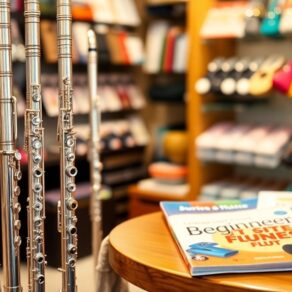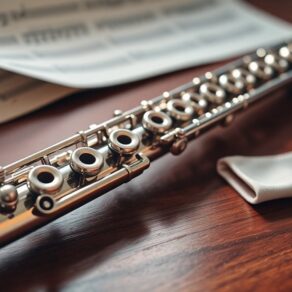
When searching for the best flutes for beginner students, consider options like the Yamaha YFL-222 or Gemeinhardt 2SP. These flutes offer durability, ease of play, and warm sound, perfect for new musicians. Look for features like a closed hole design and comfortable weight, ensuring you can play with confidence. Don’t forget to check brand reputation and player feedback to make a wise choice. If you keep exploring, you’ll uncover even more tips to help you succeed on your fluting journey!
Key Takeaways
- The Yamaha YFL-222 is highly recommended for its durability and rich tone, ideal for beginner students.
- Gemeinhardt 2SP offers a warm sound with an easy playability, making it great for novices.
- Jupiter JFL511 features solid construction, ensuring reliability for student use.
- Pearl 505 combines excellent craftsmanship with a smooth response, enhancing the learning experience.
- Armstrong 104 is a classic choice known for its reliability and suitability for new players.
Top 5 Beginner Flutes for New Players
When you’re starting your musical journey with the flute, choosing the right instrument can make all the difference. You’ll want a reliable, high-quality student instrument that feels good in your hands and resonates with your passion for music.
Here are five fantastic beginner flutes to consider.
- Yamaha YFL-222 – Known for its durability and rich tone, it’s perfect for new players.
- Gemeinhardt 2SP – This flute offers a warm sound and is easy to play.
- Jupiter JFL511 – With its solid construction, it’s a great choice for students.
- Pearl 505 – This flute combines excellent craftsmanship with a smooth response.
- Armstrong 104 – A classic student instrument, it’s known for its reliability.
These flute brands provide quality options that help you feel confident as you embark on this exciting journey into music!
Essential Features to Evaluate in a Beginner Flute
Selecting a beginner flute involves considering several essential features that can greatly impact your playing experience.
First, think about flute materials; most beginner flutes are made from nickel silver or silver-plated brass, offering durability and a pleasant tone. Choosing a flute with a good finish can also enhance sound quality.
Next, evaluate the key mechanism. A simple, reliable mechanism is crucial for beginners, as it ensures ease of play and helps you develop proper finger positioning. Look for a flute with a closed hole design, which is typically easier for new players to manage.
Additionally, consider the weight and balance of the flute; it should feel comfortable in your hands.
Flute Sizes and Types: Finding Your Fit
Finding the right flute size and type can make a significant difference in your learning experience, especially as a beginner.
With various flute materials and brands available, it’s essential to choose one that suits your needs and feels comfortable in your hands. Here are three key aspects to consider:
- Size: Flutes typically come in standard and curved models. Curved flutes can be easier for younger players to handle.
- Materials: Beginners often start with silver-plated or student-grade flutes. These are durable and affordable, helping you focus on learning without breaking the bank.
- Brands: Reputable flute brands, like Yamaha and Gemeinhardt, offer reliable instruments that can support your journey as you grow.
Easy Tips for Keeping Your Flute in Great Shape
To keep your flute in great shape, it’s essential to develop a regular maintenance routine that ensures its longevity and optimal performance.
Start with daily cleaning techniques: after each practice session, gently wipe the exterior with a soft cloth to remove moisture and fingerprints. For the inside, use a cleaning rod and cloth to prevent buildup.
Every few weeks, check for any loose screws or pads that may need adjusting. Don’t forget to apply cork grease to the joints; this helps them fit together smoothly and prevents damage.
Additionally, store your flute in its case when not in use, keeping it safe from dust and accidental bumps.
If you notice any issues, like sticky keys or unusual sounds, consult a professional for flute maintenance.
How to Start Playing the Flute: Essential First Steps
Starting your journey with the flute can feel exciting yet overwhelming, but breaking it down into essential steps makes it manageable and enjoyable. Here’s how to kick off your flute playing adventure:
- Breath Control: Start by practicing your breath control. Inhale deeply and exhale steadily while making a sound. This will help you create a beautiful tone and sustain notes longer.
- Finger Placement: Familiarize yourself with the finger placements for each note. Use a chart or app to guide you, and practice moving your fingers smoothly between notes.
- Daily Practice: Set aside a little time each day for practice. Consistency is key, and even short sessions will help you improve faster.
Embrace the learning process; it’s all about progress!
As you master these basics, you’ll feel a sense of belonging in the vibrant community of flute players. Enjoy every moment!
Where to Buy Your First Flute: Online vs. Local Music Stores
Once you’ve got the basics down and are ready to choose your first flute, you’ll face an important decision: whether to shop online or visit a local music store.
Both options have their perks. Online retailers often offer a wider selection and competitive prices, making it easy to compare different brands and models from the comfort of your home. However, you might miss out on the hands-on experience that local shops provide.
Visiting a local music store allows you to hold the flute, test its feel, and get expert advice from friendly staff who share your passion for music. Plus, you’ll be supporting your community!
If you’re unsure about what flute to choose, talking to someone who understands your needs can make all the difference. Ultimately, weigh the convenience of online shopping against the personal touch of local shops to find what feels right for you.
Common Mistakes Beginners Make When Choosing a Flute?
Have you ever wondered what common pitfalls to avoid when choosing your first flute? Navigating the world of flutes can be overwhelming, but by recognizing a few mistakes, you can make a more informed decision and feel confident in your choice.
- Ignoring Flute Brand Comparisons: Not all brands are created equal. Research and compare reputable brands to find one that suits your style and budget.
- Neglecting Beginner Player Feedback: Always seek out reviews from other beginner players. Their experiences can provide valuable insights into playability and comfort.
- Choosing Based on Price Alone: While budget is important, focusing solely on price might lead you to a flute that’s hard to play.
Invest in quality for a better learning experience.
Frequently Asked Questions
What Is the Best Age to Start Learning the Flute?
The best age to start learning the flute is around 8 to 10 years old.
At this age, you’re typically ready to grasp basic techniques and enjoy the flute benefits, like improved coordination and creativity.
Starting young allows you to build a strong foundation, but it’s never too late to begin!
Embrace the journey and connect with others who share your passion for music.
You’ll find joy in every note you play!
How Long Should I Practice Daily as a Beginner?
You should aim for at least 30 minutes of daily practice as a beginner.
Studies show that consistent practice improves skills by up to 20% faster than sporadic sessions. Daily practice not only helps you master techniques but also builds your confidence and musicality.
Plus, it creates a sense of belonging within the music community. So, carve out that time, and enjoy the benefits as you grow with your flute!
Can I Play the Flute With Braces?
Yes, you can definitely play the flute with braces!
While it might take some time to adjust, most players find that they can adapt. Just be mindful of mouthpiece comfort, and consider using a lip balm to ease any irritation.
As you get used to your braces, practice regularly to improve your technique.
Don’t let braces hold you back—embrace the challenge and enjoy making music!
What Accessories Do I Need for My Flute?
You’ll need a few key accessories to enhance your flute experience.
Did you know that 80% of flute players recommend a good cleaning kit? Keeping your flute clean is essential for sound quality and longevity. A flute cleaning cloth and rod will help you maintain it.
Additionally, a sturdy music stand is crucial for comfortable practice sessions. These tools will support your journey, making it smoother and more enjoyable as you develop your skills.
Is It Necessary to Take Lessons to Learn the Flute?
It’s not strictly necessary to take lessons to learn the flute. You can definitely explore self-taught methods using various online resources to get started.
There are plenty of video tutorials, sheet music, and forums where you can connect with other learners.
However, lessons can provide personalized guidance and accelerate your progress.
Ultimately, it’s about what works best for you and your learning style, so find a balance that keeps you motivated and engaged!
Conclusion
In conclusion, choosing the right flute as a beginner sets the stage for a rewarding musical journey. For instance, Sarah, a first-time player, found her perfect fit in a student model that offered both comfort and quality. By focusing on essential features and avoiding common pitfalls, you’ll not only enjoy playing but also stay motivated. Whether you shop online or at a local store, the right flute can make all the difference in your learning experience. Happy playing!