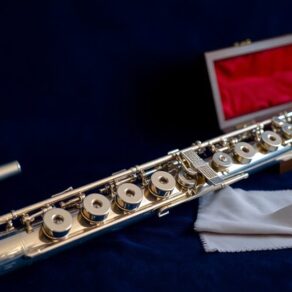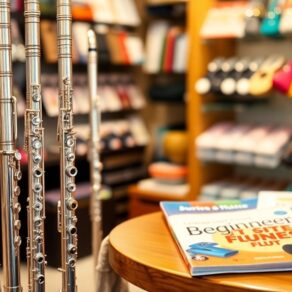
Choosing your first flute can be exciting! Start by understanding the different types, like metal, wooden, and piccolo flutes, to find what matches your style. Set a realistic budget, including potential accessories. Pay attention to key features such as material and closed-hole designs for beginners. Always test a few flutes to see which one feels comfortable to play. Lastly, decide between new or used options based on your needs and preferences. You’ll discover more helpful tips as you explore!
Key Takeaways
- Determine your budget by researching prices and considering initial costs along with potential accessory expenses.
- Choose between metal and wooden flutes based on desired sound quality and playing style.
- Opt for a closed-hole flute for beginner ease; open-hole flutes are better suited for advanced players.
- Visit a music store to test different flutes, ensuring comfort and sound preference before purchasing.
- Decide between new and used flutes, weighing the benefits of warranties against cost savings and condition.
Understanding Different Types of Flutes: Which One Is Right for You?
When you’re considering which flute to start with, have you thought about the different types available? Each flute offers a unique sound and playing experience.
For beginners, metal flutes are popular due to their durability and bright tone, often found in concert flutes. If you’re looking for something more traditional, wooden flutes provide a warm, rich sound that many players cherish.
You might also explore piccolo flutes, which are smaller and higher-pitched, perfect for adding sparkle to your music. Alto flutes are great for those wanting a deeper tone, while keyless flutes offer a simpler design for easy playing.
Closed hole flutes are often recommended for beginners since they’re easier to play than open hole options.
Take your time to explore these choices. Each type can help you find your voice in the world of music, and soon, you’ll belong to a vibrant community of flute players.
Setting a Realistic Budget for Your Flute Purchase
As you embark on your flute journey, setting a realistic budget is crucial to ensure you find an instrument that meets your needs without breaking the bank.
Start by researching various flute price comparisons to understand the range of options available. Consider what features are essential for you and how they impact the price.
When planning your budget, think about both the initial cost and any additional expenses, like accessories and maintenance. It’s wise to set aside a little extra for unforeseen costs.
If you’re feeling overwhelmed, remember that many music stores offer financing options, which can make your purchase more manageable.
Don’t rush into a decision; take your time to explore different flutes within your budget.
Ultimately, what matters is finding an instrument that feels right for you and supports your growth as a musician. You’ll find your place in the music community with the right flute in hand.
Buying Your First Flute? Key Features to Look For
What should you consider when buying your first flute? Start by exploring flute material options. Common choices include silver, nickel, and brass, each affecting sound quality and durability. If you’re looking for a warmer tone, a silver flute might be ideal.
Next, don’t underestimate the importance of flute brand reputation. Established brands often ensure better craftsmanship and customer support, giving you peace of mind in your purchase. Research brands with positive reviews and those recommended by teachers or musicians you trust.
Finally, pay attention to key features like the type of keys and the mechanism’s responsiveness. Closed-hole flutes are great for beginners, while open-hole options are suited for more advanced players.
Why You Should Test a Flute Before You Buy?
How can you truly know if a flute is right for you without trying it out first? Testing a flute before you buy is crucial to ensure it matches your unique needs. You’ll want to assess the flute sound—does it resonate well with you? A flute’s tone can greatly affect your playing experience, so find one that inspires you.
Next, consider playing comfort. How does the flute feel in your hands? Is it easy to maneuver? You need an instrument that feels natural, allowing you to focus on creating beautiful music instead of struggling with awkwardness.
Don’t hesitate to visit a music store and try different models. Bring a friend or a teacher along for guidance.
Should You Buy New or Used? Key Differences to Consider
When deciding whether to buy a new or used flute, consider three key differences that can impact your choice.
First, new flutes often come with a warranty, ensuring you have support if any issues arise. This peace of mind can be invaluable for beginners.
Second, used flutes might offer a more affordable option, allowing you to invest in accessories or lessons. However, it’s crucial to ensure the instrument is in good condition, as repairs can add up.
Lastly, new flutes typically feature the latest designs and materials, which may enhance your playing experience.
Ultimately, whether you choose a new or used flute, the right decision is the one that feels best for you.
Remember, every flutist starts somewhere, and finding an instrument that resonates with you’ll help you connect with the music community.
Happy playing!
Essential Accessories for Your Flute Journey
A few essential accessories can significantly enhance your flute-playing experience. First, invest in quality cleaning supplies. A cleaning rod and soft cloth are vital for keeping your flute in top shape. Regular maintenance is crucial, so follow these flute maintenance tips: clean your instrument after each practice session to prevent moisture buildup.
Next, consider a good flute case. It’ll protect your instrument and make transporting it easier.
A music stand is another great addition; it helps you play comfortably at the right height, encouraging longer practice sessions.
Don’t forget a tuner and metronome. These tools will help you stay in tune and keep time, essential skills for any budding flutist.
Lastly, a reliable fingering chart can aid in learning new notes. With these accessories, you’ll feel more confident and connected on your flute journey!
Best Learning Resources for New Flute Players
As you gather your accessories, it’s equally important to explore the best learning resources that will guide you in your flute journey.
Start with beginner books specifically designed for new players. These often include clear instructions, helpful diagrams, and simple exercises to build your skills.
Don’t overlook the wealth of online tutorials available. Websites and platforms like YouTube offer free lessons that cater to your pace and style. You can watch experienced flutists demonstrate techniques, making learning interactive and fun.
Consider joining online communities or forums where fellow beginners share tips and experiences. Connecting with others can boost your motivation and create a sense of belonging.
Frequently Asked Questions
What Is the Best Age to Start Learning the Flute?
The best age to start learning the flute is typically between 8 and 10 years old.
At this age, you’ve developed enough physical coordination and focus to handle the instrument.
Beginner tips include finding a supportive teacher and practicing regularly, even if it’s just for short sessions.
Remember, everyone learns at their own pace, so don’t rush.
Enjoy the journey, and you’ll find a sense of belonging in the music community!
How Long Does It Take to Learn the Flute?
It typically takes several months to a few years to learn the flute, depending on your practice frequency and dedication.
If you commit to regular practice, you’ll see progress faster. Utilize learning resources like online tutorials, books, or local classes to enhance your skills.
Can I Rent a Flute Instead of Buying One?
Absolutely, you can rent a flute instead of buying one!
Many music stores offer rental options that allow you to try out a flute without a hefty investment. This can be a cost-effective way to explore your interest before committing to a purchase.
Plus, renting often includes maintenance, which can save you money in the long run.
Check local stores or online services for cost comparisons to find the best deal that fits your needs!
What Maintenance Does a Flute Require?
Your flute needs regular maintenance to stay in top shape.
Use proper cleaning techniques, like swabbing the inside after each use to remove moisture. Regularly check for any pads or springs that might need adjustment.
When you’re not playing, store your flute in a sturdy case to protect it from dust and damage.
Taking these steps not only preserves your instrument but also deepens your connection to making beautiful music.
Keep at it!
How Do I Care for My Flute Properly?
“An ounce of prevention is worth a pound of cure.”
To care for your flute properly, follow these flute cleaning tips: always swab your flute after playing to remove moisture, and use a soft cloth to wipe down the exterior.
For flute storage advice, keep it in a hard case to protect it from damage.
Regular maintenance will ensure your flute stays in top shape, making your musical journey enjoyable and fulfilling.
Conclusion
Choosing your first flute is like selecting a key to unlock your musical journey. By understanding the different types, setting a budget, and knowing what features to look for, you’re well on your way to finding the perfect instrument. Don’t forget to test it out and consider whether to buy new or used. With the right accessories and learning resources, you’ll be ready to hit the right notes in no time. Embrace the adventure ahead!