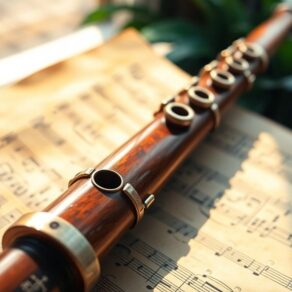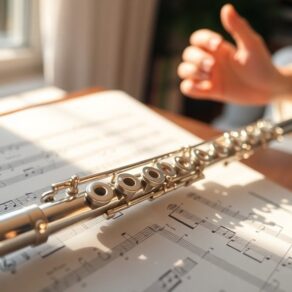
For an effective intermediate flute repertoire guide, focus on essential classical pieces like Bach and Mozart, alongside contemporary works from composers like Jolivet and Clarke. Master key techniques such as breath control and tone production to enhance your playing. Don’t overlook jazz styles, which invite improvisation and creativity. By combining these elements, you’ll enrich your musical journey and develop a versatile skill set. Explore the various sections for more tailored recommendations on your flute performance.
Key Takeaways
- Essential sonatas by Bach, Mozart, and Poulenc enhance technique and musical understanding for intermediate flutists.
- Incorporate famous duets by Doppler and C.P.E. Bach to improve collaboration and listening skills.
- Explore contemporary pieces like Jolivet’s “Cinq Incantations” to develop modern techniques and musicality.
- Master iconic concertos by Mozart and Ibert to challenge agility, clarity, and dynamic control.
- Experiment with jazz styles to introduce improvisation and creative expression in your flute playing.
Must-Play Classical Pieces for Intermediate Flute Repertoire
When you’re looking to enhance your intermediate flute repertoire, including must-play classical pieces can elevate your skills and musical expression.
Start with essential flute sonatas, such as those by Bach, Mozart, and Poulenc. These works not only challenge your technique but also deepen your understanding of phrasing and dynamics.
Incorporating famous flute duets, like those by Doppler or C.P.E. Bach, can enrich your practice sessions. Playing with a partner not only builds your listening skills but also fosters a sense of community and collaboration.
Don’t shy away from exploring diverse styles and eras; each piece offers unique insights into the flute’s capabilities.
As you tackle these compositions, you’ll find joy in the process and growth in your playing. Embrace these classics, and you’ll feel a stronger connection to the flute repertoire and the musical world around you.
Key Techniques for Intermediate Flutists
Mastering key techniques is essential for any intermediate flutist aiming to elevate their playing. One of the most important aspects to focus on is tone production. Experiment with different embouchures and airflow to find the sweet spot that creates a rich, resonant sound. Don’t hesitate to record yourself; it’s a great way to assess your progress and make necessary adjustments.
Another crucial technique is breath control. Practice long tones and phrasing exercises to strengthen your diaphragm and improve your ability to sustain notes. Incorporate breath marks into your pieces to enhance musicality and expressiveness.
As you work on these skills, remember that consistency is key. Set achievable goals for each practice session, and celebrate your improvements.
Top Contemporary Compositions for Intermediate Flutists
As you refine your tone production and breath control, exploring contemporary compositions can greatly enhance your repertoire and challenge your skills. Modern flute pieces often feature innovative composers who push boundaries, inviting you to express yourself in new ways.
Consider works like “Cinq Incantations” by André Jolivet, which beautifully blends traditional techniques with modern flair.
Another excellent choice is “Sonatine” by Pierre Sancan, a piece that develops your musicality while offering unique rhythmic challenges.
You might also explore “Dancing in the Dark” by Ian Clarke, which showcases extended techniques that can expand your sound palette.
These contemporary compositions not only improve your technical abilities but also connect you with a community of flutists embracing the innovative spirit of today’s music.
Dive into these works, and you’ll find yourself growing as a musician while enjoying the journey of modern flute repertoire.
Iconic Flute Concertos to Challenge Your Skills
Exploring iconic flute concertos not only elevates your technical prowess but also deepens your understanding of the instrument’s rich history.
These masterpieces challenge you to refine your flute techniques while embracing diverse concerto styles. Here are three essential concertos that can propel your skills:
- Mozart’s Flute Concerto No. 1 in G Major – This piece demands agility and clarity, perfect for mastering articulation.
- Jacques Ibert’s Concerto for Flute and Orchestra – Known for its vibrant rhythms and expressive passages, it enhances your dynamic control.
- Carl Philipp Emanuel Bach’s Flute Concerto in D Minor – This concerto offers emotional depth and intricate phrasing, allowing you to explore your interpretative abilities.
Tackling these concertos won’t only challenge you but also connect you with the rich tradition of flute performance.
Embrace these works, and watch your skills flourish!
Exploring Jazz Styles for Flute
While you may be accustomed to classical repertoire, diving into jazz styles for flute opens up a world of improvisation and creative expression.
Jazz allows you to explore swing rhythms that can transform your playing. Start by listening to jazz flute greats like Herbie Mann or Hubert Laws to get inspired.
Experiment with improvisation techniques, such as playing around with scales and arpeggios, to develop your voice.
Don’t hesitate to try call-and-response patterns, where you mimic phrases and then add your flair.
Joining a jam session can be incredibly rewarding. You’ll find a community that thrives on spontaneity and collaboration.
Remember, it’s okay to make mistakes; they’re part of the learning process. Embrace the freedom jazz offers, and let your unique style shine.
With practice and passion, you’ll feel right at home in this vibrant musical genre.
How to Choose the Right Pieces for Your Performances?
How do you ensure that the pieces you choose for performances resonate with both you and your audience? Selecting the right repertoire is essential to achieving your performance goals and showcasing your personal style.
Here are three key factors to consider:
- Skill Level: Choose pieces that challenge you but are still within your technical reach. This balance will help you feel confident on stage.
- Emotional Connection: Pick music that speaks to you personally. When you’re emotionally invested, your audience will feel that connection too.
- Diversity: Incorporate a range of styles and genres. This not only showcases your versatility but also keeps the audience engaged throughout your performance.
Resources for Sheet Music and Practice Tools
Finding reliable resources for sheet music and practice tools can significantly enhance your flute playing experience. Start by exploring online platforms like IMSLP and MusicNotes, where you can find a vast selection of sheet music, from classical pieces to contemporary works. Many of these sites offer free downloads, making it easier to access a variety of music.
In addition, consider using practice apps like SmartMusic or Tonara. These apps provide interactive feedback, helping you track your progress and stay motivated. They also offer play-along tracks, making practice sessions more enjoyable and engaging.
Joining local flute clubs or online forums can also connect you with fellow flutists who share recommendations and experiences.
Frequently Asked Questions
What Are the Best Warm-Up Exercises for Intermediate Flutists?
The best warm-up exercises for intermediate flutists include long tones and scale patterns. Start with long tones, focusing on breath control and tone quality; hold each note for four counts.
Then, practice major and minor scales in various octaves, using different articulations. Incorporating interval exercises can also help enhance your technique.
How Can I Improve My Flute Sight-Reading Skills?
To improve your flute sight-reading skills, try dedicating just 10 minutes a day to practice—studies show this can boost your ability significantly.
Start with simple sight-reading techniques like reading through short pieces, focusing on rhythm exercises to strengthen your timing.
Challenge yourself with new genres to expand your musical vocabulary.
Remember, consistency is key, and you’ll find that each session builds your confidence and ability.
You’re not alone; we’re all in this journey together!
What Are Common Mistakes to Avoid While Playing the Flute?
To avoid common mistakes while playing the flute, focus on breath control and tone production.
Don’t rush your breathing; steady, deep breaths lead to a fuller sound. Ensure your posture is correct, as slouching can hinder airflow.
Pay attention to your finger placements; incorrect positioning can affect intonation.
Lastly, always listen to your sound; if something feels off, adjust accordingly.
Embrace these tips, and you’ll find your playing becomes much more satisfying!
How Do I Maintain My Flute Properly?
To maintain your flute properly, you need to balance care and play.
Start with regular flute cleaning; use a soft cloth to wipe down the exterior after each use.
For the inside, swab it gently to remove moisture.
When it comes to flute storage, always keep it in a sturdy case to protect it from bumps.
What Should I Look for in a Flute Teacher?
When looking for a flute teacher, consider their teaching philosophy and lesson frequency.
A good teacher should align their approach with your musical goals, encouraging your growth while providing constructive feedback.
Check if they offer consistent lessons that fit your schedule, as regular practice is key to progress.
Don’t forget to trust your instincts; a supportive environment fosters belonging and helps you thrive as a musician.
Choose someone who inspires you!
Conclusion
In conclusion, diving into intermediate flute repertoire opens a world of musical possibilities that’ll make your skills soar to dazzling heights. By exploring classical pieces, contemporary works, and even jazz styles, you’ll not only enhance your technique but also discover your unique voice. Remember, the right selection can transform your performance into an unforgettable experience. So, embrace the challenge, keep practicing, and let your passion for music shine brighter than a thousand suns!