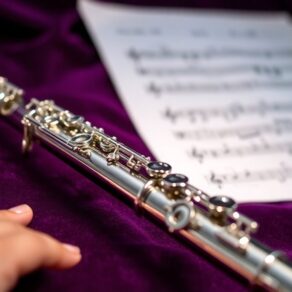
Learning the flute later in life can be an exciting journey filled with creativity. Start by choosing a beginner-friendly flute and setting realistic goals. Consistent practice is key, so establish a routine that works for you. Don’t hesitate to seek lessons, whether through private instructors or online resources. Embrace the challenges you’ll face and celebrate your progress along the way. You’ll discover the joy and personal rewards of making music as you explore more tips and techniques ahead.
Key Takeaways
- Set clear, achievable goals to maintain motivation and track progress in your flute learning journey.
- Choose a beginner-friendly flute model that suits your comfort and playing style.
- Establish a consistent practice routine, dedicating time each day to improve skills gradually.
- Explore various learning resources, including private lessons, online courses, and group classes for diverse experiences.
- Embrace challenges as opportunities for growth, celebrating each milestone to stay committed.
How to Start Learning the Flute as an Adult
Starting to learn the flute as an adult can feel daunting, but many people discover that it’s a rewarding journey. To kick off your adventure, set clear goals that inspire you. Whether it’s playing a favorite tune or joining a local ensemble, having a purpose fuels your adult motivation.
Next, establish a consistent practice routine. Even short, focused sessions can be effective. Consider using practice techniques like breaking down challenging passages into smaller segments, or using a metronome to build your timing.
Don’t forget to seek out community resources! Joining a group or taking lessons can provide valuable support and make the learning process more enjoyable. You’ll find that sharing experiences with fellow flute enthusiasts fosters a sense of belonging, making your journey even more fulfilling.
Embrace the challenges, celebrate your progress, and remember that every note brings you one step closer to achieving your musical dreams!
Choosing the Right Flute for Beginners
Once you’ve set your learning goals and established a practice routine, the next important step is selecting the right flute for your needs.
Choosing the right flute can significantly impact your learning experience. Here’s what to consider:
- Flute Types: Start with a student model; they’re designed for beginners and easier to play.
- Material: Look for flutes made of silver-plated or nickel for durability and sound quality.
- Key Mechanism: Consider a closed hole flute; it’s simpler for beginners to manage.
- Size: Ensure the flute fits comfortably in your hands for better control.
- Beginner Accessories: Don’t forget a cleaning kit and a sturdy case to protect your instrument.
Setting Realistic Goals for Your Flute Journey
As you embark on your flute journey, setting realistic goals can help keep you motivated and focused. Start by defining short-term and long-term goals. For instance, aim to master one scale each week or play a simple song within a month.
Breaking your journey into smaller milestones makes it less overwhelming and more achievable.
Progress tracking is essential. Consider maintaining a practice journal where you note your achievements and challenges. This won’t only highlight your growth but also provide encouragement when you see how far you’ve come.
How to Find Effective Flute Lessons for Adults
How can you find effective flute lessons tailored for adults? Start by exploring various options that suit your learning style and schedule. Here’s a handy list to guide you:
- Private instructors: Personalized attention can help you progress at your own pace.
- Online courses: These offer flexibility and a wide range of materials to fit your needs.
- Group classes: Connect with fellow adult learners and enjoy the camaraderie while improving together.
- Local workshops: Check community centers or music schools for hands-on experiences.
- Self-study resources: Utilize books and online tutorials, focusing on beginner programs, to reinforce your learning.
Tackling Challenges in Adult Flute Learning
Finding the right lessons is just the first step in your flute journey. As an adult learner, you may face unique challenges, but tackling them can lead to rewarding progress.
One key area to focus on is breath control. Practice deep breathing exercises to strengthen your diaphragm, enabling you to produce a fuller sound and sustain notes longer.
Another challenge is developing finger agility. Start with simple finger exercises, gradually increasing the complexity as your skills improve.
Consistency is crucial—set aside time each day to practice these techniques.
The Community and Personal Rewards of Playing the Flute
The joy of playing the flute extends far beyond personal achievement; it fosters a sense of community and connection.
When you embrace this instrument, you’re not just learning music; you’re opening doors to meaningful relationships and personal growth.
Here’s how the flute can enrich your life:
- Build social connections: Join local ensembles or online groups to meet fellow musicians.
- Experience shared joy: Play together in jam sessions or community gatherings, creating lasting memories.
- Encourage collaboration: Work with others to improve your skills, learning from each other’s experiences.
- Boost confidence: Performing in front of others can enhance your self-esteem and public speaking abilities.
- Foster lifelong learning: Engaging with others keeps you motivated and inspired to grow as a flutist.
Frequently Asked Questions
Can I Learn the Flute Without Previous Musical Experience?
Absolutely, you can learn the flute without any previous musical experience!
With adult motivation, you’ll find that mastering the flute fundamentals becomes an exciting journey. Start by choosing a quality instrument and seeking out lessons or online resources.
Practice regularly, and don’t hesitate to join a community of fellow learners. Connecting with others who share your passion will enhance your experience and make the learning process even more enjoyable.
You’ve got this!
How Long Does It Typically Take to Learn the Flute?
It typically takes about six months to a year to learn the flute, depending on your practice frequency and learning pace.
If you practice regularly, you’ll notice improvement faster. Each person’s journey is unique, so don’t compare yourself to others. Celebrate small victories along the way!
Joining a community or finding a teacher can enhance your experience, making it more enjoyable and fulfilling.
What Are the Best Online Resources for Adult Flute Learners?
Looking for the best online resources to learn the flute? You’ve got some fantastic options!
Websites like YouTube offer countless flute tutorials, while platforms like Skillshare and Udemy provide structured online lessons tailored for adults.
You can also find supportive communities on Facebook or dedicated forums where you can share your progress and ask questions.
Are There Any Health Benefits to Playing the Flute?
Absolutely, playing the flute offers several health benefits!
You’ll improve your breath control, which enhances lung capacity and respiratory function. Engaging with music also boosts your mental focus, sharpening cognitive skills and reducing stress.
Plus, the act of playing can foster a sense of belonging within a musical community, connecting you with others who share your passion.
Can I Play in Groups or Ensembles as a Beginner?
Absolutely, you can play in groups or ensembles as a beginner!
Imagine the thrill of blending your sound with others, creating a symphony that resonates in your heart. Embrace group dynamics and learn ensemble etiquette—listening, blending, and supporting each other elevate your experience.
As you grow together, you’ll not only improve your skills but also find a sense of belonging. Dive in; the joy of making music together is waiting for you!
Conclusion
In learning the flute, you’re not just picking up an instrument; you’re uncovering a new part of yourself. Picture this: each note you play aligns with your heartbeat, creating a melody unique to your journey. Embrace the challenges, celebrate your progress, and connect with others who share your passion. Whether you’re playing a simple tune or a complex piece, each moment spent with your flute adds richness to your life. So, take a breath, and let the music flow!