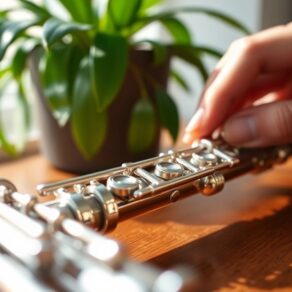
When it comes to mastering the flute, focus on breath control techniques and choose the right instrument that feels like an extension of you. Experiment with your playing style by incorporating dynamics and improvisation. Don’t shy away from hurdles; practice slow movements and break complex pieces into manageable sections. Remember, every flutist faces challenges. Embrace them; they can transform your playing. There’s so much more to uncover about refining your craft and overcoming obstacles.
Key Takeaways
- Breath control is crucial for flutists, with diaphragmatic breathing enhancing sound quality and support.
- Choosing the right flute involves considering materials, brands, and personal resonance for optimal playing experience.
- Developing a unique style requires exploring various influences, sound dynamics, and improvisation for authentic expression.
- Overcoming common hurdles like tone adjustment and finger coordination is essential for building confidence and skill.
- Resilience is key, as professional flutists often transform challenges into growth opportunities and rely on community support.
Essential Flute Techniques for Mastering Breath Control
Mastering breath control is crucial for any flutist aiming to elevate their performance. To develop effective breath support, start by practicing diaphragmatic breathing. Place your hand on your belly and feel it rise and fall as you inhale deeply. This technique allows you to engage your core, providing the foundation for steady airflow management.
Next, incorporate long tones into your practice. Pick a comfortable note and focus on maintaining a consistent, even sound. Pay attention to your breath support while you hold the note; this will help you connect your breathing with your playing.
Experiment with different dynamics, gradually increasing and decreasing volume while sustaining your airflow. This’ll strengthen your control and build confidence.
Key Factors in Selecting the Perfect Flute
When choosing the perfect flute, what factors should you consider to ensure it complements your playing style? First, think about flute materials. Silver flutes offer a bright, clear sound, while gold or platinum can provide warmth and depth. Your choice of material can significantly impact your tone and comfort during play.
Next, explore various flute brands. Renowned brands like Yamaha, Powell, and Haynes have unique characteristics and reputations. Research their models to find one that matches your skill level and personal preferences.
Don’t forget to consider the flute’s key mechanism and weight—these factors can influence your technique and endurance during long sessions.
Ultimately, try out different flutes to find the one that resonates with you. Remember, the right flute is one that feels like an extension of yourself, helping you express your musical voice. Embrace this journey, and enjoy finding your perfect match!
How to Develop Your Unique Flute Playing Style
Developing your unique flute playing style is a journey of self-discovery and expression. Start by exploring different musical influences; listen to a variety of genres and artists. Notice what resonates with you—those melodies that make you feel alive. This will help you identify your preferences and spark your creativity.
Next, experiment with your sound. Play around with dynamics, articulation, and vibrato. Don’t be afraid to improvise; let your emotions guide you. The more you express yourself, the more your style will emerge.
Record your practice sessions, and listen back to see what feels authentic. Share your progress with fellow flutists; their feedback can be invaluable.
How to Tackle Common Flute Playing Hurdles?
Finding your unique flute playing style can lead to exciting discoveries, but it’s natural to encounter hurdles along the way. One common challenge is tone adjustment. If your sound isn’t quite what you envision, try experimenting with your embouchure and airflow. Small changes can make a big difference, so don’t hesitate to adjust until you find that sweet spot.
Another hurdle is finger coordination. It’s easy to feel frustrated when the notes don’t come out smoothly. Practice slow, deliberate movements to build muscle memory. Break complex passages into smaller chunks, mastering each before putting them together.
Inspiring Stories From Professional Flutists
While every professional flutist has faced their own set of challenges, many have transformed those obstacles into powerful stories of resilience and triumph.
Embrace your unique flutist journeys, knowing that each setback can lead to growth. Take inspiration from those who’ve turned their performance experiences into stepping stones. For instance, one flutist struggled with stage fright but learned to channel that energy into compelling performances.
Another faced rejection but used it as motivation to refine her craft, ultimately landing her dream role.
These stories remind you that you’re not alone. Every flutist faces hurdles, but it’s how you respond that shapes your path. Share your experiences, connect with others, and draw strength from the community.
When you face challenges, remember the power of resilience and the potential for triumph in your flutist journey. Keep pushing forward; your story is just beginning!
Frequently Asked Questions
What Are the Best Brands of Flutes for Beginners?
When you’re starting out, some of the best beginner flutes include Yamaha, Gemeinhardt, and Armstrong. Each brand offers reliable quality and ease of play, making your learning experience smoother.
In a flute brand comparison, Yamaha is known for its durability, while Gemeinhardt provides excellent sound.
Don’t hesitate to try different models to see what feels right for you. Remember, finding the right flute can make all the difference in your musical journey!
How Often Should I Clean My Flute?
You should clean your flute after every use to keep it in top shape.
Flute maintenance tips include using a soft cloth to wipe down the exterior and swabbing the inside to remove moisture. Regular cleaning prevents buildup and extends your flute’s life.
Aim for a deeper clean every few months, checking pads and screws. By maintaining your instrument, you’re ensuring it sounds great and feels like a true part of your musical journey!
When Should I Replace My Flute Pads?
You should replace your flute pads every 2 to 5 years, depending on usage.
Did you know that frequent players can wear out pads twice as fast?
Regular maintenance tips include checking for leaks and ensuring pads seal properly.
If you notice sticky keys or uneven response, it’s time for a replacement.
Don’t hesitate; keeping your flute in top shape enhances your playing experience and connects you with fellow musicians who value quality!
Can I Play the Flute if I Have Braces?
Yes, you can definitely play the flute with braces! It might take some time to adjust, but don’t worry.
Start by practicing short sessions to get used to the feel of your braces. You may need to make some minor flute adjustments for comfort.
Focus on your posture and embouchure to ease any discomfort. Remember, many musicians have played with braces, so you’re not alone.
Keep practicing, and enjoy the journey!
What Is the Average Lifespan of a Professional Flute?
The average lifespan of a professional flute is around 20 to 50 years, depending on how well you care for it.
To enhance your flute’s longevity, remember to clean it regularly, avoid extreme temperatures, and store it properly.
Regular maintenance, like checking pads and springs, can prevent issues.
By following these flute maintenance tips, you’ll not only protect your investment but also enjoy beautiful music for years to come.
Keep playing!
Conclusion
In mastering the flute, remember that your journey is like sculpting a masterpiece; each note you play chisels away at your skills. Embrace the techniques and insights shared, and don’t shy away from challenges—they’re stepping stones to your growth. As you develop your unique style, keep your passion alive and stay curious. Each practice session brings you closer to becoming the flutist you aspire to be. Dive in, enjoy the process, and let your music soar!